Author: COHERINET

How Technology Is Changing Sexual Reproductive Health Conversations

The way people seek information is changing. A young person with a question may not ask a parent, teacher or health worker. They may reach for their phone. Within seconds, they can search the internet, watch a video, read a post, join a discussion or send a private message. Technology has changed how we communicate, and it is changing how people learn about sexual and reproductive health.

The Phone in Our Hands Can Be a Powerful Tool

For many young people, digital platforms offer something traditional spaces sometimes cannot: privacy. Someone afraid to ask a question publicly may feel more comfortable searching privately. Someone facing stigma may find comfort in an online community. Someone far from a health facility may discover information about available services.

Technology can bring sexual and reproductive health information closer to people. But there is another side.

When Misinformation Goes Viral

The internet does not always provide accurate information. A misleading video can reach thousands. A false claim about contraception can be shared repeatedly. A post can turn a myth into apparent fact simply because many people have seen it.

How do we help people tell information from misinformation? The answer is not to tell people to stop using social media. Instead, we need to strengthen digital health literacy — the ability to question information, identify credible sources, verify claims and seek professional guidance when necessary.

Technology Can Help Change Social Norms

Digital platforms do more than spread information. They influence what people believe is normal. A campaign can challenge harmful stereotypes. A short video can encourage men to support family planning. A young woman can share a positive experience of seeking health information. A community organisation can use digital platforms to challenge myths and move conversations once considered taboo into spaces where people feel safer discussing them.

From Scrolling to Seeking Support

There is a difference between consuming information and knowing what to do with it. Someone may watch a video about contraception but still have questions. Someone may read about a health condition but need professional guidance. Someone may discover a service online but not know how to access it.

Digital platforms should therefore connect people to trusted information, counselling, referrals and appropriate health services. Technology should not replace health workers and community engagement. It should strengthen them.

In Uganda, COHERINET’s Aunt KAKI toll-free helpline is one way to take that next step. People with questions about sexual and reproductive health and rights (SRHR) can call 0800 347 347 for information, guidance and referrals. The helpline offers a direct, confidential route from online information to support, especially for people who may feel uncomfortable asking questions publicly.

Digital conversations should always protect privacy. Avoid posting personal or sensitive health details in public comments; contact a trusted service privately when individual guidance is needed.

Young People Are Not Just Consumers

Young people are also creators. They produce videos, share stories, start conversations, create campaigns and influence their peers. This gives them an important role in transforming social norms.

Imagine young people creating content that challenges myths about contraception. Imagine young men discussing respectful relationships online. Imagine girls and young women sharing messages that encourage others to seek accurate information. Imagine communities using social media not only for entertainment, but also to promote healthier conversations.

We Need Safer Digital Conversations

As we expand the use of technology for sexual and reproductive health, we must also think about privacy, confidentiality and safety. People should protect their personal information and avoid sharing sensitive details publicly. Organisations providing digital health information must ensure that communication is respectful, accurate and confidential.

The goal is to create digital spaces where people can seek information without exposure to unnecessary harm or judgment.

Technology Is a Tool, People Create the Change

A phone cannot transform a social norm on its own. A post cannot replace a trusted conversation. An online campaign cannot solve every barrier to healthcare. But technology can open doors. It can start conversations. It can challenge myths. It can connect people to information. It can give young people a voice. And it can help communities reach people who might otherwise remain silent.

The question is not whether technology will influence sexual and reproductive health conversations. It already does. The question is: what kind of influence will we create?

Let us use technology to spread facts instead of fear. Let us use digital platforms to connect people instead of isolate them. Let us create content that informs rather than misleads, and ensure every digital conversation leads people towards trusted information, support and appropriate services.

The conversation starts with us, both offline and online.

Join the Conversation

Have a question about sexual and reproductive health? Reach out to Aunt KAKI through COHERINET’s toll-free helpline on 0800 347 347.

Share this article, challenge misinformation respectfully, and follow COHERINET’s official platforms for more SRHR information and updates.

Are you a young person, educator, health worker or community organisation using digital platforms to promote accurate sexual and reproductive health information? We want to hear from you. Partner with us to expand digital health literacy, challenge misinformation and connect more people to trusted support. Write to us at coherinet@gmail.com.

Written by Aloro Emmanuela

When Personal Beliefs Meet Patient Care: What Baseline Findings from 77 Nursing and Midwifery Students Reveal About Abortion Stigma

Asking difficult questions particularly about abortion can be challenging.

On October 6, 2026, nursing and midwifery students at Mansoor College of Science in Matugga had the opportunity to anonymously submit questions during an introductory Values Clarification and Attitude Transformation (VCAT) session facilitated by COHERINET.

Their questions spanned abortion-related myths, Uganda’s laws and policies, perceived health risks and circumstances where abortion might be medically appropriate. These questions offered early insight into students’ concerns and a valuable starting point for shaping future learning sessions.

What the Baseline Findings Revealed

Of the 115 students who attended the session, 77 completed a baseline survey exploring their beliefs about abortion. An analysis of these self-reported responses revealed critical insights that will help shape the programme’s future learning sessions.

Preliminary findings suggest that many respondents’ perceptions of abortion are deeply intertwined with beliefs about fertility, morality, relationships and societal roles. These insights provide a vital starting point for understanding how personal values and social expectations might influence future healthcare providers.

The survey highlighted key misconceptions and stigmas across three main areas:

Beliefs about health and fertility: 87% of respondents agreed that a woman’s health is never as good after an abortion while 77% agreed that abortion reduces a woman’s future ability to bear children.

Beliefs about criminality and judgment: 60% view a woman who has an abortion as a criminal, and 58% worry she might be a “bad influence” on other women.

Beliefs about social norms: 73% believe a young woman should marry the man who made her pregnant rather than seek an abortion.

These preliminary findings from the 77 participating students provide an important starting point for exploring how personal values, social expectations and health information may influence future healthcare providers’ perspectives on abortion. They highlight a critical need for future educational sessions to directly address misinformation, social expectations and stigma among tomorrow’s healthcare providers.

The Questions Behind the Numbers

During the session, students raised critical questions highlighting three main priorities: correcting reproductive health misconceptions, strengthening clinical knowledge, and preparing students to navigate sensitive situations with professionalism and compassion.

Their questions focused on three key areas:

Future Fertility: Questions like, “Is it true that when you abort, you never conceive again?” reflected deep-seated fears about long-term reproductive health.

Clinical Management: Students inquired about how healthcare providers recognise and manage complications early after an abortion.

Patient Safety: Discussions centred on how to provide effective abortion-related care without women and girls succumbing to preventable complications.

These discussions underscored that addressing abortion stigma requires more than just sharing medical facts. Future healthcare providers need dedicated spaces to examine their assumptions, ask difficult questions, and understand how personal attitudes affect patient care.

How We Are Responding

To address these complex topics, we established a supportive learning environment using specific facilitation strategies:

Safe Space Ground Rules: Facilitators promoted respectful listening, strict confidentiality and voluntary participation.

Anonymous Questioning: Students submitted questions anonymously on slips of paper. These were read aloud and discussed without singling out individuals, fostering open and honest dialogue.

Clinical Foundations: The session introduced the key principles of post-abortion care, including patient dignity, prompt assessment, appropriate treatment and timely referral.

Professional Reflection: The format created space for students to reflect on the relationship between their personal beliefs and their professional responsibilities.

From Baseline Findings to Action

As this was an introductory session, it is too early to determine long-term changes in students’ knowledge or attitudes. However, the 77 completed baseline surveys provide a critical reference point.

Moving forward, we will use these anonymous questions to identify priority learning needs and design future sessions that directly respond to students’ concerns. We will also repeat the survey after follow-up sessions to track whether attitudes and knowledge shift over time because the real measure of success is not how many students attend, but whether they carry greater clarity and compassion into patient care.

Where We Are Going Next

This session at Mansoor College of Science is the beginning, not the end. Over the coming period, COHERINET aims to reach five more medical schools, delivering a minimum of three VCAT sessions per semester at each institution. This sustained engagement rather than one-off sessions is what allows attitudes to be examined, challenged and gradually transformed.

Each institution will receive the same combination of anonymous questioning, clinical foundations and professional reflection, with baseline and follow-up surveys to measure change. The questions students raise will continue to shape what we teach, ensuring our sessions respond to the real concerns of tomorrow’s healthcare providers rather than assumptions about what they need.

Why This Matters

Nursing and midwifery students are not yet providers but they soon will be. The beliefs they carry into practice will shape whether a woman seeking abortion care is met with judgment or dignity, with misinformation or accurate clinical guidance. Addressing stigma at this formative stage is one of the most cost-effective ways to improve the quality of abortion care for years to come.

Support This Work

We are seeking partners and funders to help us expand VCAT sessions across five additional medical schools, with a minimum of three sessions per semester at each institution, and to support the baseline and follow-up measurement that tells us whether change is real.

To learn more, partner with us or support this initiative, please send us an email: coherinet@gmail.com

Beyond the Bride Price: Who Decides How Many Children a Woman Should Have?

In Yumbe District, COHERINET is discovering that improving women’s access to family planning and abortion care requires more than just medical provisions; it also requires challenging the deeply ingrained beliefs that influence their reproductive choices.

When cultural expectations shape choices

Our community engagements in Yumbe have revealed a deeply rooted belief that the “bride price” cows or goats given to a woman’s family as bride price should be “multiplied” through the children she bears.

This expectation puts immense pressure on women to have large families often preventing them from spacing their pregnancies or using family planning. It raises a critical question: Should a traditional culture decide if or when a woman has children?

Beyond providing information

The challenge in Yumbe extends beyond access to family planning and abortion care. It is about agency. Women must feel empowered to use family planning services and seek abortion care without fear of judgment, rejection or pressure from their families.

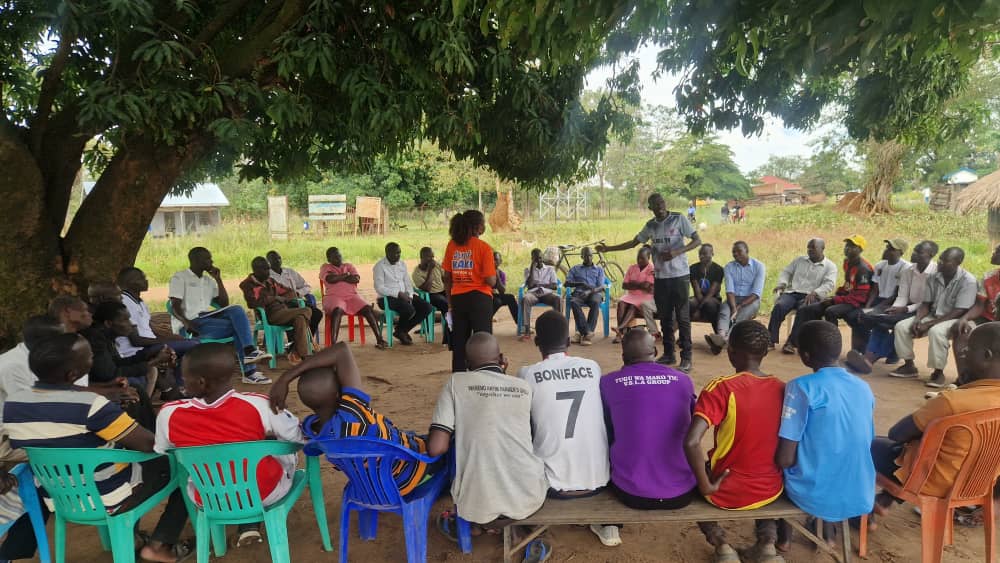
To address this, COHERINET is facilitating community dialogues and masculinity enlightenment games. These activities bring men, women and community leaders together to discuss family planning, abortion care, respectful relationships and shared responsibility. They create a safe space for people to question familiar beliefs and consider how their actions impact access to vital reproductive health services and women’s health in general.

The key lesson is clear: Providing medical information alone is not enough. Communities also need opportunities to reflect on the beliefs that shape everyday decisions about contraception and pregnancy.

Why this matters beyond Yumbe

When women are unable to make free decisions about family planning or access safe abortion care, their health, dignity and future suffer. Men, cultural leaders and religious leaders must actively help challenge these harmful expectations. True progress relies on building relationships based on respect rather than control.

COHERINET’s next step is to assess whether these discussions lead to lasting changes in attitudes. By safely listening to women, we will determine whether they feel empowered to make decisions about family planning and reproductive health without pressure.

Changing beliefs takes time. The real measure of progress is not how many people attend a dialogue, but whether women experience greater freedom and respect in their daily lives including the freedom to decide whether and when to use family planning and to access post abortion care without coercion.

Bride price should never be a reason to control a woman’s body. Every woman deserves to make informed decisions about her family planning and post abortion care, free from coercion.

Support This Vital Work

We are looking for partners and funders to expand community dialogues and masculinity engagement across Yumbe District and beyond. To learn more, partner with us or support this initiative, please send us an email: coherinet@gmail.com